 By
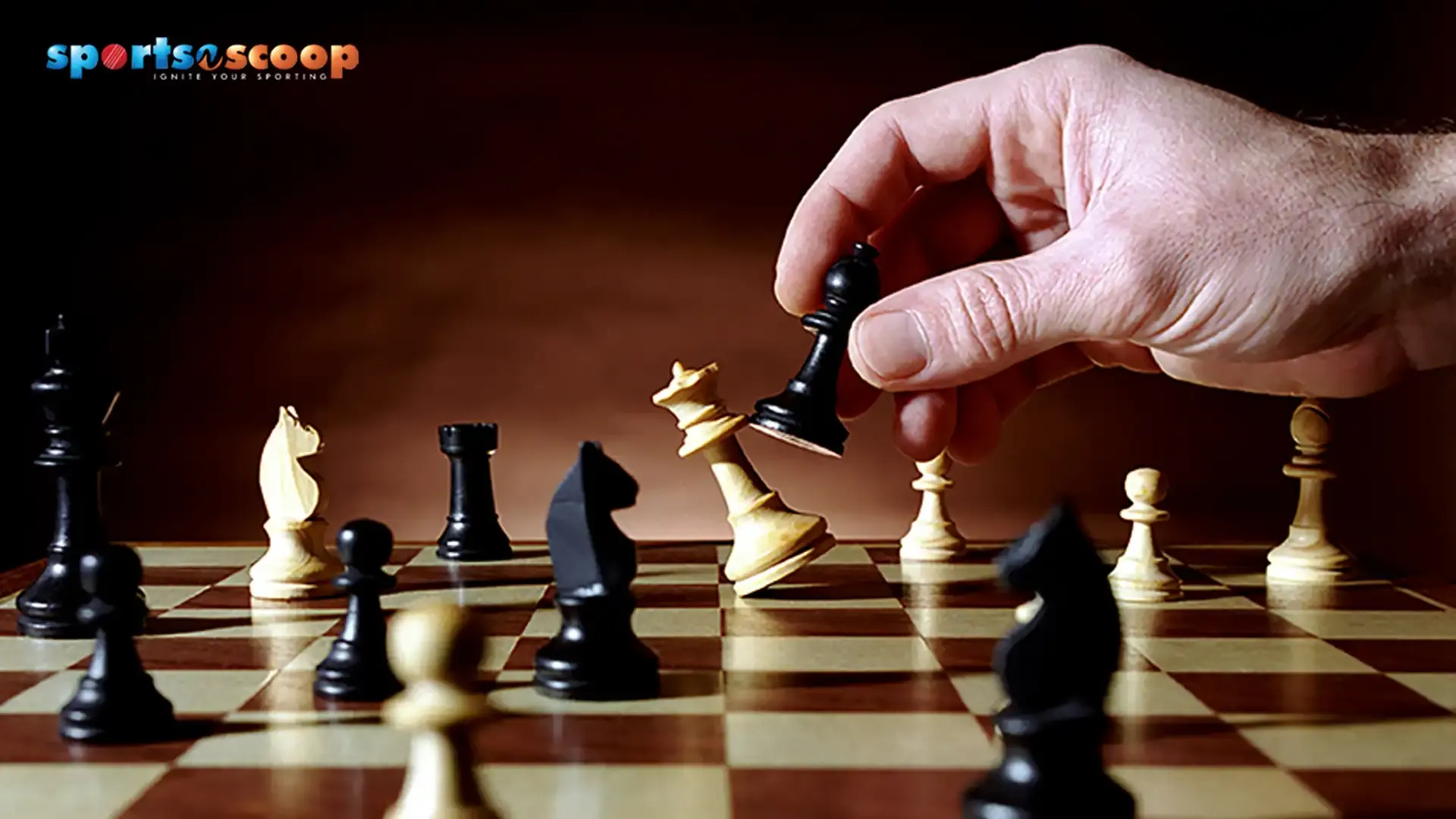
By Look, we have all been there. You sit down across from an opponent. Your heart is racing. You open with total confidence, already dreaming of a brilliant checkmate. Then, out of absolutely nowhere, a slick bishop slides across the board, snatches your queen, and leaves your strategy in total ruins. You just stare at the pieces. You wonder where it all went completely wrong. Well, chess is a game which requires you to be clever and a bit attentive. If you wonder how to improve chess game, we are here to help you.
Chess is incredibly frustrating when you feel stuck at the exact same skill level. But do not pack away your board just yet. Improve your gaming skills and make a move from a casual player to a pro by learning about just a few tactics. Let us dive into a real roadmap on how to get better at chess so you can transform your results.
Easy Steps to Learn How to Improve Chess Game
Systematic improvement in chess relies on structured habits rather than raw talent. By refining your openings, sharpening tactics, and analysing mistakes, you can quickly outclass your opponents. These 6 core strategies provide a direct roadmap to elevate your gameplay and decision-making.
1. Grab Control of the Centre Early
You cannot build a house on mud. Too many beginners lose matches in the first 10 moves because they simply lack a real plan. To master how to improve chess game setups, you must learn to control the four central squares. Period.
Push your centre pawns. Bring out your knights and bishops early before you start launching random attacks. Also, make sure you castle your king quickly to keep it out of harm’s way. Instead of memorising deep theoretical variations, just pick two reliable setups for white and two for black. Keeping it simple early on will instantly boost your confidence.
2. Solve Daily Tactical Puzzles
Matches are rarely won by pure luck. They are decided by patterns. If you regularly ask yourself how to improve at chess, the absolute best answer is daily puzzle training.
Dedicate at least 15 to 20 minutes to solve tactical exercises on specialised training software, or any website that lets you do it. You can easily practice these by using the interactive Lichess Puzzles Hub, which generates thousands of free positions adapted to your current skill level.
3. Review Your Losses Without an Ego
It is easy to celebrate a win. But your painful defeats hold the real secrets to getting better. To truly unlock how to improve chess game strategies, you have to review your lost matches with brutal honesty.
Go back through your games. Pinpoint the exact move where things went wrong. Ask yourself what you missed. Were you too greedy for a free pawn? Did you forget to check your own king’s safety? Computer engines are great for pointing out tactical blind spots, but try to find your own mistakes first. In chess, losing a game means you made a mistake somewhere along the way.
4. Fix Your Weak Endgame Play
A lot of players survive a brutal opening, play a solid middle game, and then completely crumble when there are only a few pieces left. Learning how to improve at chess game endings is what separates serious players from permanent amateurs.
Start with basic king-and-pawn endgames. Learn the essential rook checkmates. Understand the concept of opposition, where kings fight for space. When you know exactly how to convert a one-pawn advantage into a clean win, your mid-game anxiety disappears.
5. Ditch the Super Fast Time Controls
Bullet and blitz games are highly addictive. We all love them. But they mostly rely on cheap tricks and shallow instincts rather than real calculation. If you want to learn how to improve chess game decision-making, you must force yourself to play longer, classical games.
Choose time controls like 15 or 30 minutes. This extra time gives you room to breathe. You can calculate long variations, weigh positional pros and cons, and actually foresee your opponent’s plans. Slow chess builds the deep habits that fast chess destroys.
6. Build Better Focus and Mental Stamina
A single second of distraction will ruin hours of perfect play. Improving your physical and mental stamina directly impacts your results.
Stay hydrated during lengthy training sessions. Practice deep breathing techniques whenever you are stressed out. Do not take hasty actions due to nervousness. Consistency is your key to success in this case. Once you use all of these tips, your knowledge about how to improve chess game will be on an entirely different level.
From Blunders to Blueprints: Your Path to Chess Mastery
The journey to chess mastery is a marathon, not a sprint. Every single grandmaster started exactly where you are sitting right now. They blundered pieces. They made silly mistakes. But at the end, what matters is understanding the most common chess mistakes and how to avoid them.
With the right kind of planning at the beginning, daily tactics training, and error analysis, you will notice progress. Keep working hard, be patient, and have fun as you learn about making moves in chess games.