 By
By When buying a swimming pool, one thing everyone should consider is the pool’s size. Selecting the right swimming pool size is one of the most important decisions when planning for a residential or commercial one. It is important to understand that the pool’s dimensions significantly affect maintenance costs, practicality, installation requirements, and overall comfort. Whether you need it for pleasure, family time, or exercise, knowledge of the pool dimensions will help you make the right choice.
The present-day pools vary widely in shape and size to accommodate properties of various sizes and purposes. There is something for everyone, depending on how much space you have available and what type of pool you need. In this blog, we will discuss the types of pools available today, their ideal dimensions, and which pool is suitable for certain situations.
Let’s get started!
Types of Swimming Pools and Their Sizes
There are many swimming pools available, but their sizes vary. Let’s figure out some in detail-
1. Small Swimming Pools
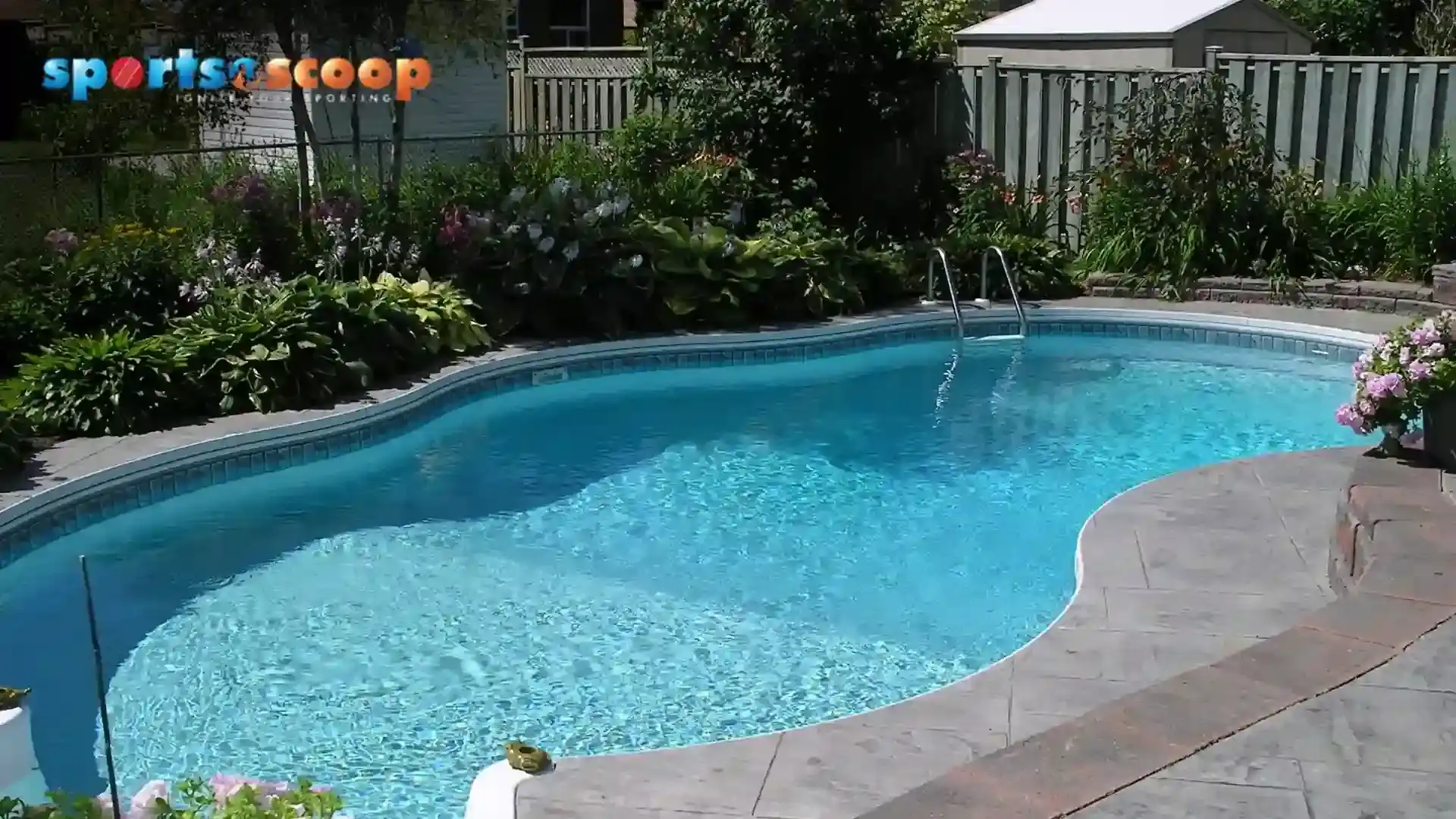
A small swimming pool. Is designed for homes with limited outdoor space. These pools are an ideal fit for properties, townhouses, and compact backyards where limited space is available.
Typical dimensions range from 10 to 20 feet in length and 6 to 10 feet in width. The swimming pool size of these pools makes them perfect for having a small pool party with family on weekends in summer.
Best for:
- Small residential properties
- Relaxation and leisure
- Homeowners with limited budgets
Easy maintenance requirements
2. Lap Pools
Lap pools are designed for fitness enthusiasts who want a dedicated space to swim and exercise. These pools are long and narrow, allowing uninterrupted swimming strokes, which offer many health benefits.
A standard lap pool often measures 40 to 75 feet in length and around 8 to 10 feet in width. Choosing the correct swimming pool size is essential for swimmers who prioritise fitness and endurance training.
Best for:
- Daily exercise
- Athletic training
- Health-conscious homeowners
Professional swimmers
3.Large Swimming Pools
A large swimming pool is frequently found in luxurious houses, hotels, resorts, and recreation centres. These pools offer ample space for swimming, along with extra features that may include a diving platform, a waterfall, and a spa.
Usually, these swimming pools are more than 40 feet long and 20 feet wide. These pools make a stunning appearance due to their huge size.
Best for:
- Luxury properties
- Resorts and hotels
- Large families
- Hosting events and parties
4. In-Ground and Above-Ground Pools
In-ground and above-ground pools are popular residential options, each offering distinct benefits and swimming pool sizes. In-ground pools are permanent and can be customised as required. Their size is generally between 12×24 feet and 20×40 feet, which makes them a suitable choice for families and recreational purposes as well.
Above-ground pools are cheaper and easier to install. The sizes of these pools range from 12 to 30 feet for round above-ground pools and from 12×24 feet to 18×33 feet for oval above-ground pools. These pools suit people looking for an economical way of building a swimming pool at home.
Best For:
- In-ground Pools: Permanent usage, customisation, and increased property value
- Above-ground Pools: Cheaper installation and ease of maintenance
5. Olympic Swimming Pools
Olympic swimming pools are built for professional competitions and athlete training. The standard swimming pool size is 50 meters (164 feet) long, 25 meters (82 feet) wide, with a minimum depth of 2 meters (6.5 feet).
The pools come with 10 lanes and are common in sports facilities, universities, and swimming centres. The Olympic-size swimming pool offers the best place to practice swimming.
Best for:
- Professional competitions
- Athlete training
- Sports and aquatic facilities
- National and international events
Understanding the Average Pool Size
The average pool size for residential homes normally ranges from 14 by 28 feet to 16 by 32 feet. The above measurements create a good balance of usability, construction costs, and maintenance.
Homeowners opt for such pool sizes because they can be used for swimming, exercise, and recreation without taking up too much space in the yard. When choosing a pool size, it is important to consider the available land area and usage.
How to Choose the Right Swimming Pool Size
Choosing the ideal size for a swimming pool depends on these factors:
1. Available Space
Take proper measurements of the area you’re choosing for your pool. Make sure to leave sufficient space for indoor use, walkways, and seating areas.
2. Intended Use
If the pool is primarily for relaxation, a compact design may be sufficient. For fitness and training, a larger pool length is recommended.
3. Budget
Larger pools require higher installation, maintenance, and operating costs. Make a budget for your pool and then spend according to your needs dont go for a bigger one if your pocket doesn’t allow.
4. Number of Users
Consider the number of people who will use the pool regularly. If a large number of people are going to use it, then go for a large swimming pool.
5. Future Needs
Think long-term. A pool that suits your lifestyle today should also meet your requirements in the coming years.
You Might Also Like- Indian Swimmers Of All Time: Making Waves In The Pool
Making a Splash: Choosing Your Ideal Pool Size
Choosing the right size for your pool should balance the space you have, the pool’s purpose, finances, and future considerations. Each type of pool serves a different purpose, making them distinct from one another. For example, small pools are for relaxing, while family pools are for recreation. By understanding different pool types and dimensions, homeowners can confidently choose a swimming pool size that enhances both their property value and lifestyle.