 By
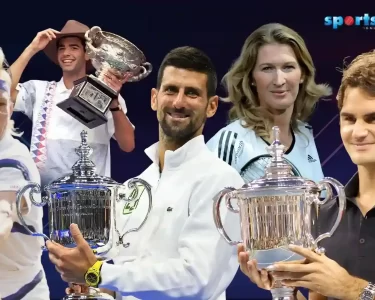
By Every time tennis comes up, the same three names follow right after, Roger Federer, Rafael Nadal, and Novak Djokovic.
For a long time, it really felt like a proper debate. People had their sides, their reasons, their biases. Federer for elegance, Nadal for grit, Djokovic… well, Djokovic for results.
And over time, that last part just kept getting heavier.
You look at the numbers now, and it’s not even about “who’s in the conversation.” It’s more like, who actually pulled ahead without making too much noise about it. And that’s where Djokovic quietly separates himself.
What people don’t really sit with enough, though, is the money side of it.
Because when you look at Novak Djokovic’s net worth, it’s not just prize money stacked on top of endorsements. It’s years, like actual years of staying relevant, staying competitive, and then converting that into something that keeps growing even when the matches end.
Where It Actually Started (And Why It Matters)
He was born in 1987, Belgrade.
That’s usually said in one line and people move on, but it matters more than that. Serbia at that time wasn’t exactly stable. His childhood sat right in the middle of all that tension. There wasn’t much comfort around, and there were moments when NATO airstrikes were just happening in the background.
That kind of environment doesn’t automatically create greatness, but it definitely shapes how someone deals with pressure later.
Tennis came early. Around four, he picks up a racket. At that age, it’s usually just play, nothing serious. But with him, people started noticing small things. Not like “future legend” type stuff, just… he looked different with it.
Jelena Genčić was one of the first to really lean into that. She worked with him properly, early on, not just casually. Those early years weren’t flashy, but they built something that didn’t fall apart later.
The Part That Still Feels Slightly Mad
At twelve, he leaves home.
Not for school. Not with family. Just for tennis.
He goes to Germany and trains at the Pilić Tennis Academy.
If you actually pause on that, it’s a bit mad. Most kids at twelve don’t even know what they want next week, and he’s already making a decision that locks him into a path.
That move didn’t instantly make him great, obviously. But it did something more important. It made him comfortable with being uncomfortable. New place, pressure, expectations, all of it early.
And yeah, you can still see that when matches get tight. He doesn’t panic the same way others do.
The Shift (When People Had to Take Him Seriously)
He turned pro in 2003. Sixteen. At that point, he’s not the headline. Tennis already had its main characters. He’s just there, clearly good, but not “that guy” yet. Then 2008 happens. He wins the Australian Open.
And that’s when the tone changes. Not dramatically, not overnight hype, just… people start paying attention properly. He’s no longer “promising,” he’s a problem.
And the thing is, he doesn’t dip after that.
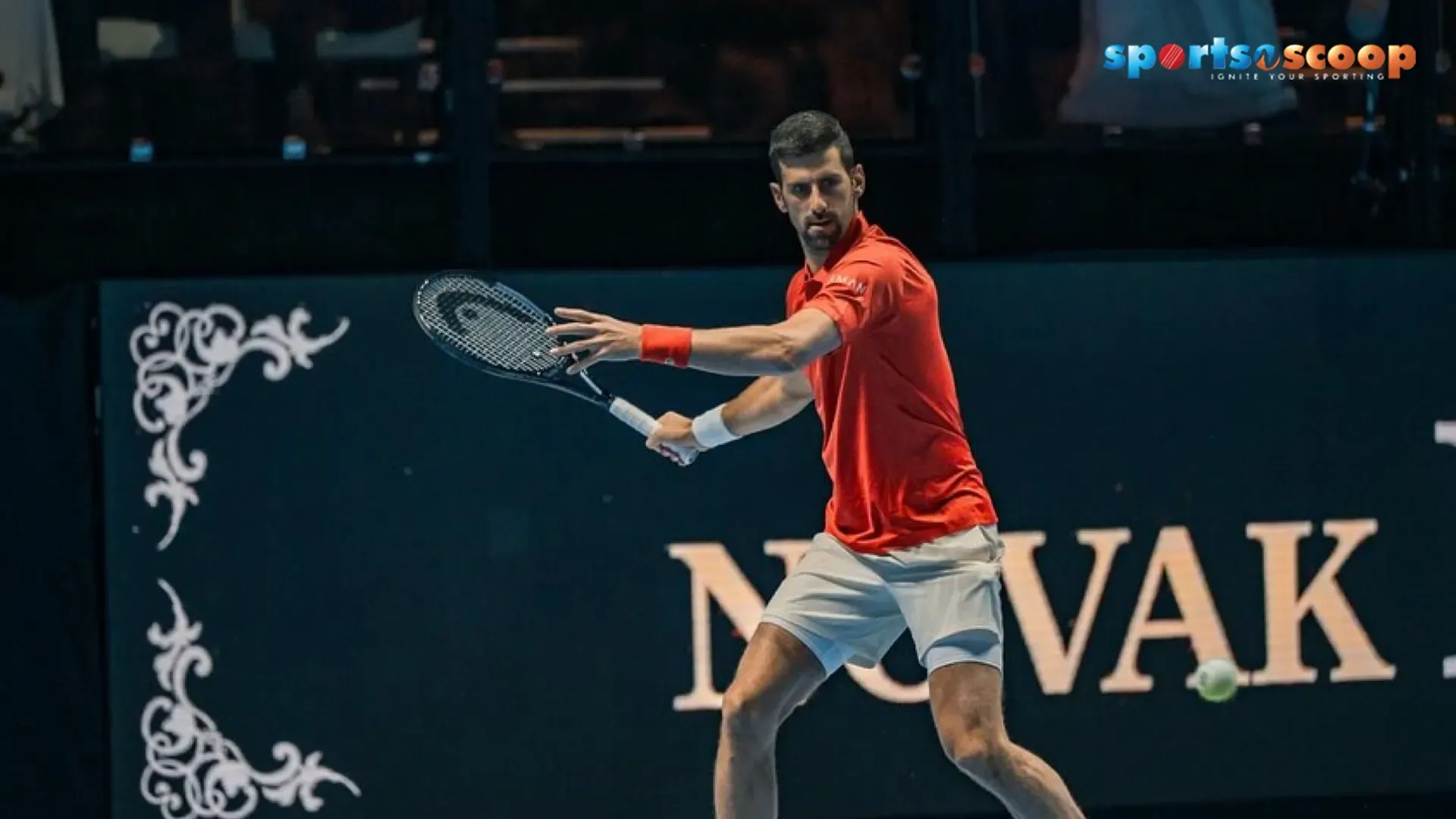
Years go by, and he just keeps showing up. Wins at the Wimbledon Championships, the US Open, the French Open.
Different surfaces, different opponents, same outcome more often than not.
Twenty-four Grand Slams. That number alone is enough, honestly.
But the more interesting part is the time. Over 400 weeks at number one. That’s not a peak, that’s staying there while everything else changes around you.
Where the Money Actually Builds
Once you look at the timeline, the money side stops being surprising.
He’s earned roughly $180–190 million in prize money. Just from playing. That alone already puts him ahead of everyone else in tennis.
But it’s not just that he earned it, it’s when he earned it. Over a long stretch. No sudden spike, no one good year, just consistent returns from staying at the top.
And then there’s the fact that he kept winning in his 30s. That part matters more than it sounds. Most players slow down, he didn’t, at least not in the same way.
The Other Half: Endorsements
Prize money is just one side.
Endorsements carry a lot of weight, too. He’s worked with Lacoste, Asics, Head, and Hublot.
These deals bring in something like $25–30 million a year at different stages.
It’s not as flashy as Federer’s brand pull, sure, but it’s steady. And steadily over time, it builds serious money.
The Monaco Detail People Skip
He’s been based in Monaco for years.
And yeah, Monaco has a very different tax system compared to most countries. Lower taxes mean he keeps more of what he earns.
It’s not something people talk about much, but over a long career, that difference adds up. Quietly, but significantly.
Where It Sits Now
As of 2026, Novak Djokovic’s net worth is somewhere around $240–250 million.
What’s interesting isn’t just the number, it’s how it’s built. It’s not coming from one place.
Prize money, endorsements, investments, all of it working together. That’s why it keeps growing instead of just peaking and stopping.
What Actually Stays With You
At some point, the number stops being the main thing. The money is just what happens after everything else.
What actually stands out is how long he stayed at that level. Not just reaching the top, but staying there, adjusting, coming back, doing it again.
He didn’t come from an easy setup. That part is important.
FAQ
Who is the tennis player ever?
Jessica Pegula is very rich because her family is rich, but if we are talking about tennis players who got rich from tennis, then Roger Federer is the tennis player who has one point one billion dollars.
Which player has earned the most in match prize money?
Novak Djokovic has earned a lot of money from tennis. He has earned one hundred and ninety million dollars from match prize money, which is more than any other tennis player.
What football club does Novak Djokovic own?
Novak Djokovic is part of a group that owns a football team called Le Mans. He is not the owner, he owns it with some other people, like Felipe Massa and Kevin Magnussen.
Which brand sponsors Novak Djokovic?
Novak Djokovic gets sponsored by Lacoste, they are a company that makes sports clothes. They give Novak Djokovic money to wear their clothes.