 By
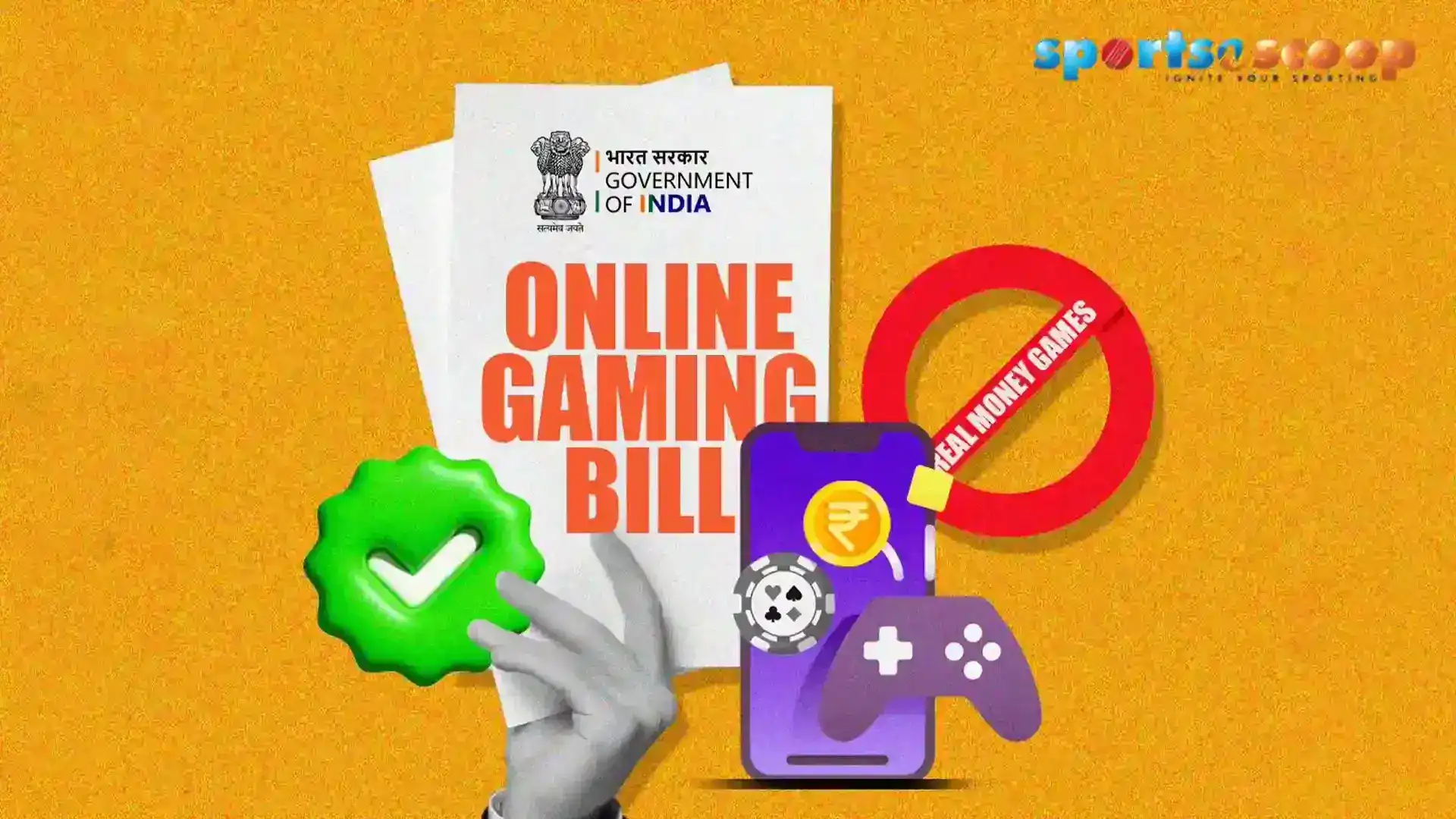
By On August 21st, India banned all real-money online games. Not just gambling apps, but everything, poker, rummy, fantasy sports, even so-called “games of skill.” This ban on gambling apps has direct, indirect, mental, and emotional aspects attached to it. It has a broader version, as it is analogous to the story of two sides of a coin, incorporating both positive and negative perspectives. This is a story about addiction, debt, grief, and regulation.
Legal Implications
Parliament has approved the Promotion and Regulation of Online Gaming Bill, 2025, which bans all online real-money gaming, including fantasy sports, rummy, and poker, regardless of skill level. The bill prohibits advertisements, blocks access to platforms, and imposes sanctions on both companies and individuals. Those involved in promoting, hosting, or facilitating these games could face imprisonment. Supporters believe the law is necessary to address issues like addiction, increasing debts, and suicides. Conversely, critics argue that it is an overreach that will push the industry underground and lead to thousands of job losses.
Impact on the Industry
The gaming industry has a significant impact on the country’s economic outlook. It directly contributed to higher revenue, job creation, and technological and design innovations. As a major economic engine, it used to boost the national digital economy through direct expenditures and the expansion of related sectors, including esports, streaming, and advertising.
The gaming industry is large, generating a substantial share of revenue from its vast market. If we consider the big market, what is it? In 2024, it had over 488 million users and generated $3.8 billion in revenue. Fantasy sports alone had 130 million users in Indian. You’ve seen the ads: cricket jerseys, IPL sponsorships, celebrity brand ambassadors. And when the government slapped a 28% GST on deposits last year? Revenue still grew.
That’s how big this market was. This ban affects not only players but also startups, developers, support agents, and small studios. Many of them are now scrambling to survive or are simply shutting down.
A Hidden Epidemic
Another aspect arises with hidden suffrage, anger, and a constant cycle of debt. Data shows the untold story of addiction, grief and the debt loop. In Hyderabad, a 24-year-old software engineer took his own life after racking up huge online rummy losses and borrowing from salary apps. His father had repaid a prior debt, but the cycle resumed. Between 2019 and 2024, Tamil Nadu alone reported 47 suicides linked to online gambling. Karnataka saw 32 deaths in just 31 months.
These aren’t merely statistics; they are the breadwinners for their families, young professionals seeking to build a successful life, left unheard by families who are still waiting for their family members to answer them, and left grieving, facing unanswered calls from lenders.
The Debt Trap
Now let’s talk about the real villains here, digital lending apps. These apps literally blackmail borrowers with their contacts and photos, and it leads to mental and physical fatigue. The loop acts like a hallucination, and the person attached to it unintentionally goes through the unending loop, which has no endings and no constraints.
For instance, in 2022, Google removed 3,500 of these apps. In 2024, the government finally drafted a law to regulate them. But honestly, the enforcement by the government is quite slow and the disappearance of the addicted individual moves very fast. Their intention of achieving great things in a short amount of time makes them helpless, dependent, and a puppet of gaming apps, which leads to the development of a debt trap. But a gambling loss funded by a predatory loan? That’s a mental health crisis waiting to happen.
What’s the Way Forward?
Here is the thing that creates suspicion about choosing sides, making decisions, or prioritising one side of the coin. This isn’t just a tech issue, but a moral choice shaped by grief, as the data suggests.
On one side: ₹20,000 crore in annual consumer losses, and a rising suicide toll. On the other hand, the company boasts millions of users, billions in revenue, and thousands of jobs. Both sides are real. Both sides matter.
However, if the government only bans predatory lending without tackling mental health issues and financial education gaps, the effort will fall short. Nothing truly changes. The same tactics will be employed on VPNs and Telegram groups, and the phone will continue to ring, especially in homes that are already vulnerable.