 By
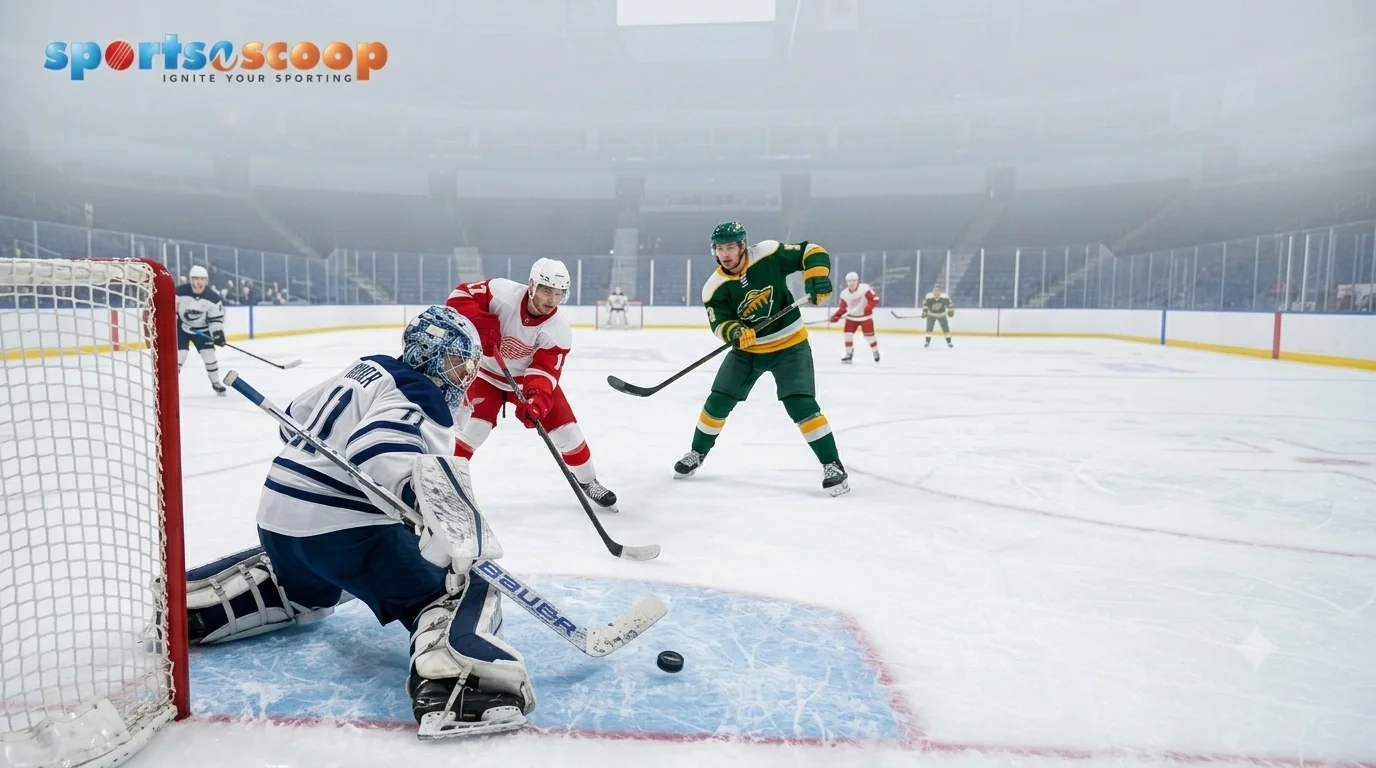
By Have you ever watched the game from the stands? It looks fast, chaotic, and maybe a little violent. But once you get past the big hits, there’s an actual system keeping five skaters and a netminder from running into each other. Understanding ice hockey positions is really the only way to make sense of what’s happening down on the ice.
Whether you’re lacing up skates for your adult league debut or just trying to figure out why a coach keeps yelling at someone to “watch the point,” here is a full breakdown of 4 ice hockey player positions and how they fit together.
Ice Hockey Positions Every Player Should Know
When a player steps on the ice, what is a player’s main goal? To make the fans feel proud? Or to support the teammates till the end? Both are true at some point, but what matters most is the ice they play on and the responsibilities and rules they must follow while playing. Here is an explanation of each.
1. The Engine Room: Centre
Think of the centre as the engine of the unit. They cover more ice than anyone else out there, floating between the goal line at one end and the crease at the other.
Key Skills
- Faceoff Mastery: Winning the puck out of the dot takes sharp wrist strength and fast reaction time.
- Engine: You cannot play centre with bad cardio. You’re constantly moving.
- Anticipation: Seeing where the play is moving two passes before it gets there.
Roles & Responsibilities
When your team has the puck, the centre drives through the middle lane to set up options. When you lose it, they drop deep into the defensive zone, often acting like a third defenseman to dig pucks out of the corners.
2. The Speedsters: Wingers (Left & Right)
One of the ice hockey positions is Wingers, the primary offensive weapons. They spend their shifts flying up the boards, chasing down loose pucks, and hunting for open ice in front of the net.
Key Skills
- Explosive Skating: You need immediate top-end speed to blow past defensemen on the entry.
- Quick Release: A fast wrist shot beats a slow slap shot every single time in tight quarters.
- Wall Work: You have to handle getting pinned against the glass without giving up the puck.
Roles & Responsibilities
On attack, wingers carry the puck into the zone, screen the opposing goalie, and finish off plays. Defensively, they stay high near the blue line to pressure the opposing team’s defensemen and block long-range shots.
3. The Anchors: Defensemen (Left & Right)
Sitting behind the forward line, the defence pair forms your last line of protection. Their job is simple: stop incoming attacks and turn them right back into counter-strikes.
Key Skills
- Backward Skating: Pivoting smoothly while backing up at high speed is non-negotiable.
- Crease Strength: You need the physical strength to clear bodies out of your goalie’s sightline.
- The Outlet Pass: Sending a crisp, accurate pass to a moving forward breaks open the entire ice.
Roles & Responsibilities
In your own zone, defensemen clear loose rebounds and force attackers out to the boards. On the attack, defensemen hold the blue line, keep the puck inside the zone, and fire low shots through traffic toward the net
4. The Wall: Goaltender
There is no role on the rink quite like the netminder. They carry the weight of the team on their shoulders, serving as the final line of defence.
Key Skills
- Tracking: Following a puck that can travel over 100 mph on a hard slap shot and everything slower in between through a crowd of players takes intense focus.
- Rebound Control: Deadening the puck with your pads or steering it into the corners stops secondary chances.
- Short Memory: If you let in a bad goal, you have to let it go immediately.
Roles & Responsibilities
Stopping the puck is the main job, but modern goalies do way more than that. They stop dumped pucks behind the net to help start breakouts and call out open attackers to their defensemen.
Positional Cheat Sheet
| Position | Primary Territory | Main Defence Job | Main Attack Job |
| Centre | End to End | Cover low slot & corners | Lead the rush & win draws |
| Wingers | Outer Boards & Net | Pressure blue line defenders | Forecheck & finish scoring plays |
| Goaltender | Goal Crease | Freeze pucks & make saves | Handle pucks behind the net |
You Might Also Like: Ice Hockey vs Field Hockey: Know the Key Differences
Finding Your Fit
Hockey runs on chemistry. No single position wins games on its own; it takes all five skaters and a goalie working on the same string. Now that you’ve had all the main ice hockey positions explained, you’ll have a much better idea of where your own skillset fits best on the rink.
Frequently Asked Questions
Hockey runs on chemistry. No single position wins games on its own; it takes all five skaters and a goalie working on the same string. Now that you’ve had all the main ice hockey positions explained, you’ll have a much better idea of where your own skillset fits best on the rink.