 By
By Remember chasing your friends around the school ground, chanting “kabaddi-kabaddi-kabaddi” in one breath until your lungs gave up? Turns out that childhood game wasn’t just playground fun; it’s been played at an international level for decades. Every edition of Asian Games kabaddi turns grown athletes into that same breathless kid, except now the whole continent is watching.
This blog is for anyone curious about how a dusty village pastime became a medal event, why the women had to wait years for their own stage, and who’s dominating the mat right now.
Let’s Get Started!
What Are Asian Games Kabaddi, Really?
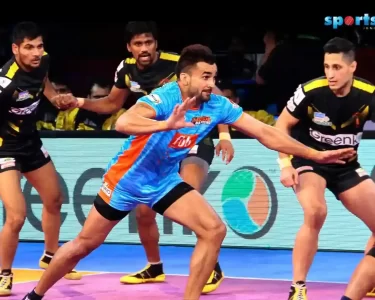
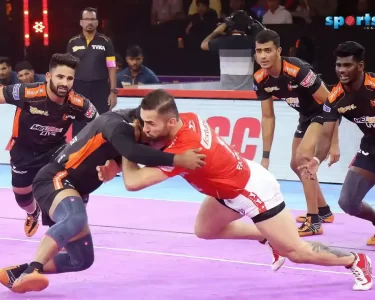
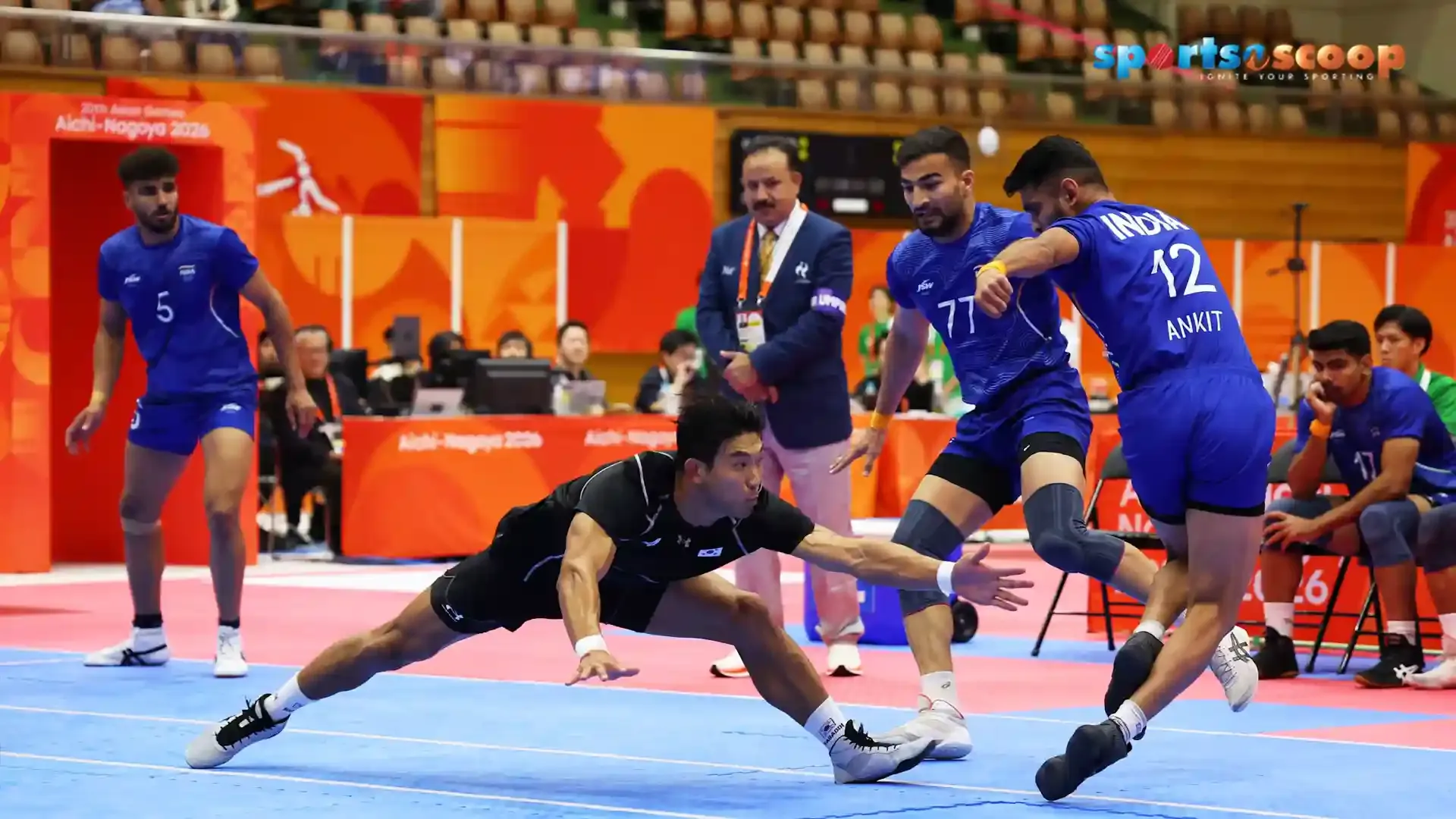
At its core, nothing has changed since your school days. 7 players on each side; the raider runs into the other team’s field while chanting all the way; tackling is sudden and brutal. No bats, no balls, not even any protective equipment, but just your breath, reflexes and courage. That is the beauty of Kabaddi, which has not become a staple event in the Asian Games.
How Kabaddi Entered the Asian Games Fold
When it comes to the induction of Kabaddi in the Asian Games, men found their footing first in the 1990 Beijing Games, while women made their international debut in 2010 Guangzhou. The men’s tournament has been held at the Asian Games since Beijing 1990, whereas the women’s event was added only in Guangzhou 2010. This makes the 2026 Asian Games kabaddi’s 9th consecutive appearance
This was an exceptional show for the sport, which originated in India’s fields rather than global arenas, and it attracted a growing number of participants.
Medal Tally: Men vs Women Through the Years
| Category | Debut Year | India’s Golds Before 2026 | Notable Rival |
| Men’s | 1990 | 8 | Iran (only team to beat India) |
| Women’s | 2010 | 3 | Iran (won gold in 2018) |
After winning both finals against Iran at Aichi-Nagoya 2026, India’s tally rose to 13 titles overall, 9 in the men’s event and 4 in the women’s. That’s a level of dominance most sports can only dream of at the highest level.
Why the Women’s Field Waited Two Decades
In Kabaddi history, it wasn’t because of a lack of talent, since Indian women were already playing kabaddi. This was due to organisational problems: women’s leagues were rare, women’s teams didn’t receive enough financial support, and it took time for the international kabaddi community to organise tournaments and competitions among women’s teams. This is evident in the fact that India won the next two tournaments after the 2010 tournament in Guangzhou, even before the organisation was fully formed.
Top Players in Asian Games Kabaddi 2026
| Men’s Squad | Highlight | Women’s Squad | Highlight |
| Pawan Sehrawat | Vice-captain, star raider, flag-bearer at the opening ceremony | Ritu Negi | Captain, defensive anchor |
| Ayan Lohchab | Pro Kabaddi’s top raider with 316 raid points | Pushpa Rana | Raider who sealed the 2023 gold-medal final |
| Sunil Kumar | International defensive experience | Sanju Devi | MVP of the 2025 Women’s Kabaddi World Cup |
This mix of seasoned campaigners and Pro Kabaddi League breakouts is why the Asian Games Kabaddi 2026 edition felt fresh, even as India chased another double.
One Fact Most Fans Don’t Know
Here’s the trivia to drop at your next watch party: there’s no separate bronze-medal match in this sport at the Games. Both beaten semi-finalists simply walk away with bronze, so 4 teams celebrate podium finishes every single edition. That means twice the joy, half the heartbreak.
Why Asian Games Kabaddi Matters?
Strip away the medals and rankings, and Asian Games kabaddi is a story of a small village game that refuses to remain small. It gave women a long-awaited seat at the table, made raiders national heroes, and kept a desi game alive on the global stage. Whether you played it on your school playground or watched highlights from Pro Kabaddi, one thing is certain: this game isn’t going anywhere soon!